STEP 01
Set the range
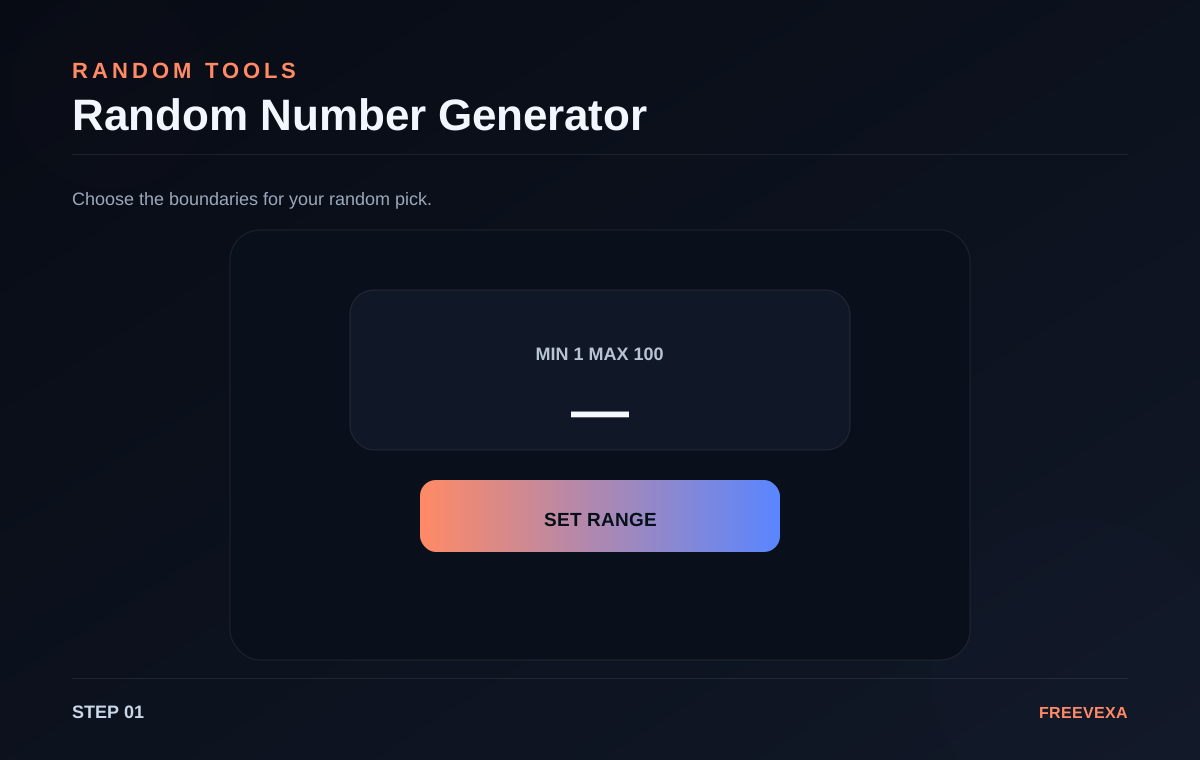
Enter the minimum and maximum values.
Generate random numbers between a minimum and maximum value for games, testing, planning and everyday choices.
Random Number Generator is designed for a focused browser workflow. The main controls stay together so you can move from input to result without unnecessary screens. The exact process depends on the job: some tools ask for numbers, some use files or images, and others measure activity in the browser. Use the steps below as a practical guide and check the final result before you save, share, print or publish it.
Enter the minimum and maximum values.
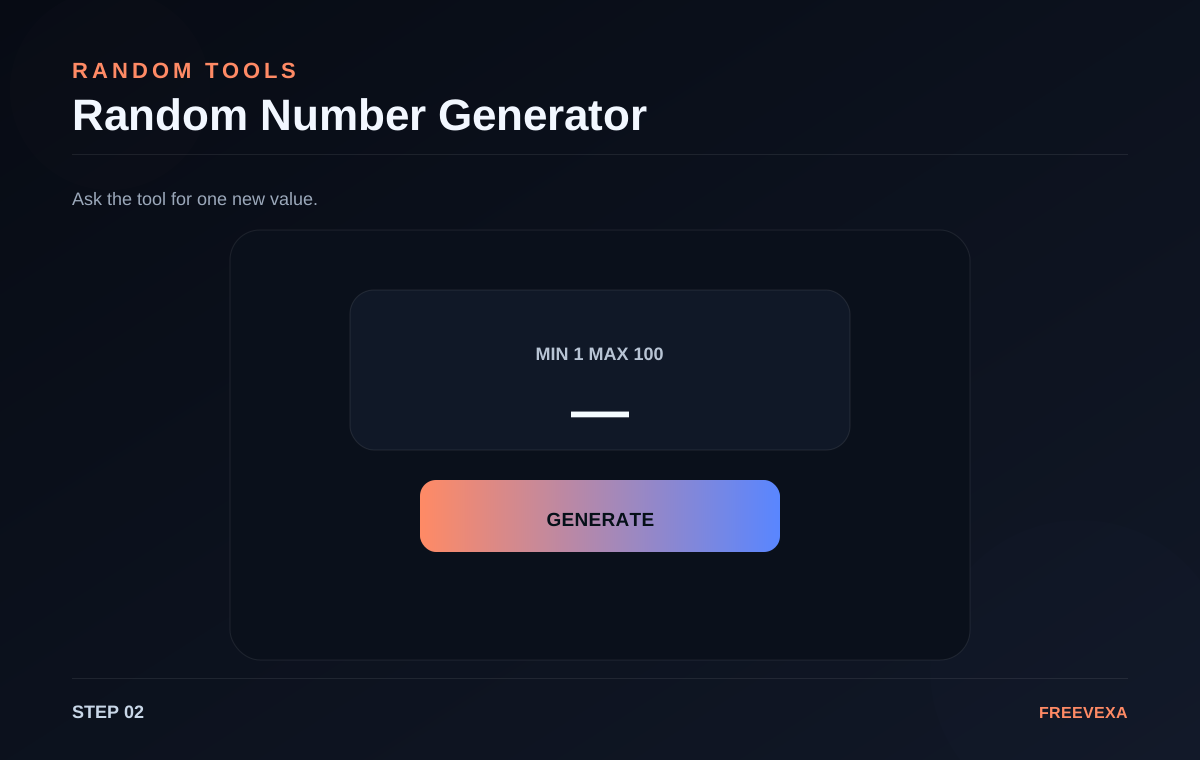
Press Generate to pick one value inside the range.
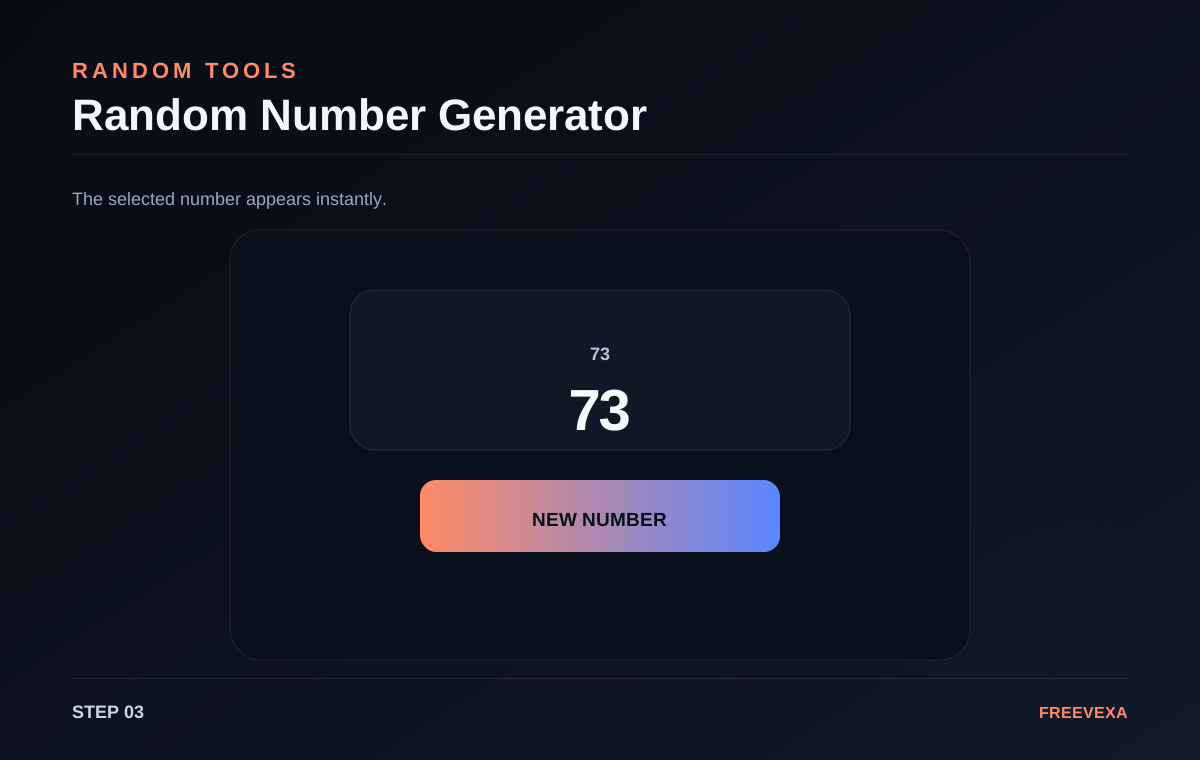
Generate another result without rebuilding the setup.
Step 1. Enter a minimum and maximum number. The minimum can be smaller or larger than zero, but the range must contain valid numeric values.
Step 2. Press Generate. Freevexa validates the range and produces a whole-number result between the two limits. The current result appears in a prominent result card.
Step 3. Generate again whenever you need another pick from the same range. This is useful for classroom exercises, simple simulations, games, random selection and test data.
Step 4. When you change the limits, generate again so the new range is applied. Keep the values clear if you are using the result in a shared activity.
Useful tips. A random tool is useful for simple selection and testing, but it should not be used as a security source for passwords, cryptographic keys or other sensitive secrets. Check your input before the final action, especially for dates, prices, file selections, tax rates, network tests and text. Repeating the process with the same settings can help you compare results more consistently.
Why use Freevexa? Freevexa makes the range visible before you generate a value, so the output is easy to understand. It is fast, browser-based and requires no login. Across the tool collection, Freevexa keeps the interface consistent, puts the main action in a visible place and avoids forcing a separate account step for basic utilities. The goal is to make a useful result easy to reach while keeping each page focused on the task.
Best way to use the tool. Start with the smallest complete input, run the tool once, read the result, and then repeat only when you need a different scenario. This keeps the workflow clean and makes it easier to spot an incorrect value. For recurring tasks, save a copy of the final output when the information matters outside the browser.
What to check before using the result. Review the output before relying on it. File and image tools can depend on browser capabilities; network tools send test traffic to their measurement endpoint; and creative tools still require you to use content you have the right to use. Freevexa is a practical utility layer, not a replacement for official records, accounting systems, professional advice or certified measurement equipment.
Inputs, main action and result are kept together so the next step is easy to find.
Basic processing happens in the page. Features that need a network measurement or external library are clearly stated on the tool.
A consistent dark interface, responsive controls and direct result actions make the tool easy to reuse.